
If you’ve ever wondered why Chinese tea feels different from the tea you usually find in supermarkets or cafés, you’re not alone.
At first glance, tea seems simple — leaves, hot water, and a comforting drink. But once you begin exploring Chinese tea, you quickly realize that it offers something deeper, more nuanced, and often more personal.
So what exactly makes Chinese tea different from other teas around the world?
Let’s explore it together, one cup at a time.
1. It’s Not Just About the Tea — It’s About the Leaf
In many parts of the world, tea is treated as a finished product: a tea bag, a flavored blend, or a ready-made drink.
Chinese tea culture starts much earlier — with the leaf itself.
Most Chinese teas are:
-
Made from whole, loose tea leaves
-
Minimally processed to preserve natural character
-
Appreciated for their aroma, texture, and lingering aftertaste
Rather than adding flavors, Chinese tea focuses on revealing what is already present in the leaf.
The shape of the leaf, how it unfolds in water, and how the flavor evolves over time all matter.
In Chinese tea, the leaf is not just an ingredient — it’s the heart of the experience.

2. Origin Matters — A Lot
In Chinese tea, where the tea comes from is just as important as what kind of tea it is.
Take green tea as an example.
Green teas from Zhejiang Province, such as Longjing, are often grown at lower altitudes with a milder climate. These teas are typically smooth and balanced, with gentle nutty notes and a clean, refreshing finish.
Green teas from Sichuan, by contrast, usually grow in more humid, mountainous environments. They often feel more expressive and lively, with brighter vegetal notes and a fuller mouthfeel.
The same idea applies to oolong tea.
An oolong from the Wuyi Mountains is known for its mineral depth and lightly roasted character, while a Phoenix Dancong oolong from Guangdong is celebrated for its intense natural aromas — often reminiscent of flowers, fruits, or honey.
This strong connection to origin is similar to how wine reflects its terroir.
Climate, altitude, soil, and local craftsmanship all quietly shape the personality of the tea.
At Verdant Pavilion, we focus on teas that clearly express where they come from — not because it sounds poetic, but because you can genuinely taste the difference.

3. Six Tea Types, Endless Expressions
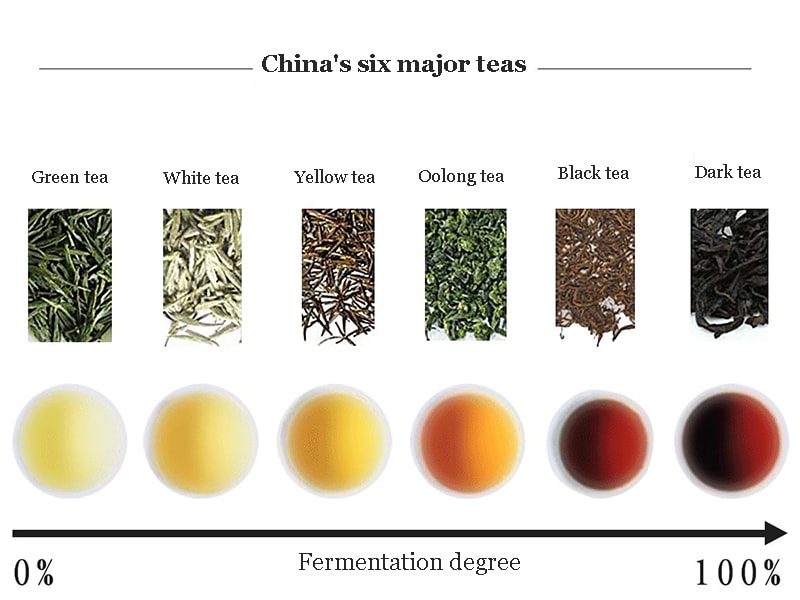
All traditional Chinese tea comes from the same plant — Camellia sinensis.
What creates diversity is how the leaves are processed.
Chinese tea is traditionally divided into six main types:
-
Green Tea
-
White Tea
-
Yellow Tea
-
Oolong Tea
-
Black Tea (known as Hong Cha in China)
-
Dark Tea (including Pu-erh)
Within each category, there are countless styles and flavor profiles.
Two oolong teas can taste completely different, even though they belong to the same category.
This diversity means Chinese tea is not about finding one “best” tea.
It’s about discovering what suits your taste, your rhythm, and your daily life.
4. Brewing Is a Conversation, Not a Formula
In many tea-drinking cultures, brewing follows a fixed formula: one tea bag, one cup, one steep.
Chinese tea brewing — especially the Gongfu style — works differently.
Rather than strict rules, it encourages attention and adjustment:
-
How does the tea respond to water temperature?
-
What happens if the steeping time is shorter or longer?
-
How does the flavor change across multiple infusions?
Brewing becomes a gentle conversation with the tea.
There’s no single “correct” result — only what feels right to you in that moment.
5. Teaware Shapes the Experience
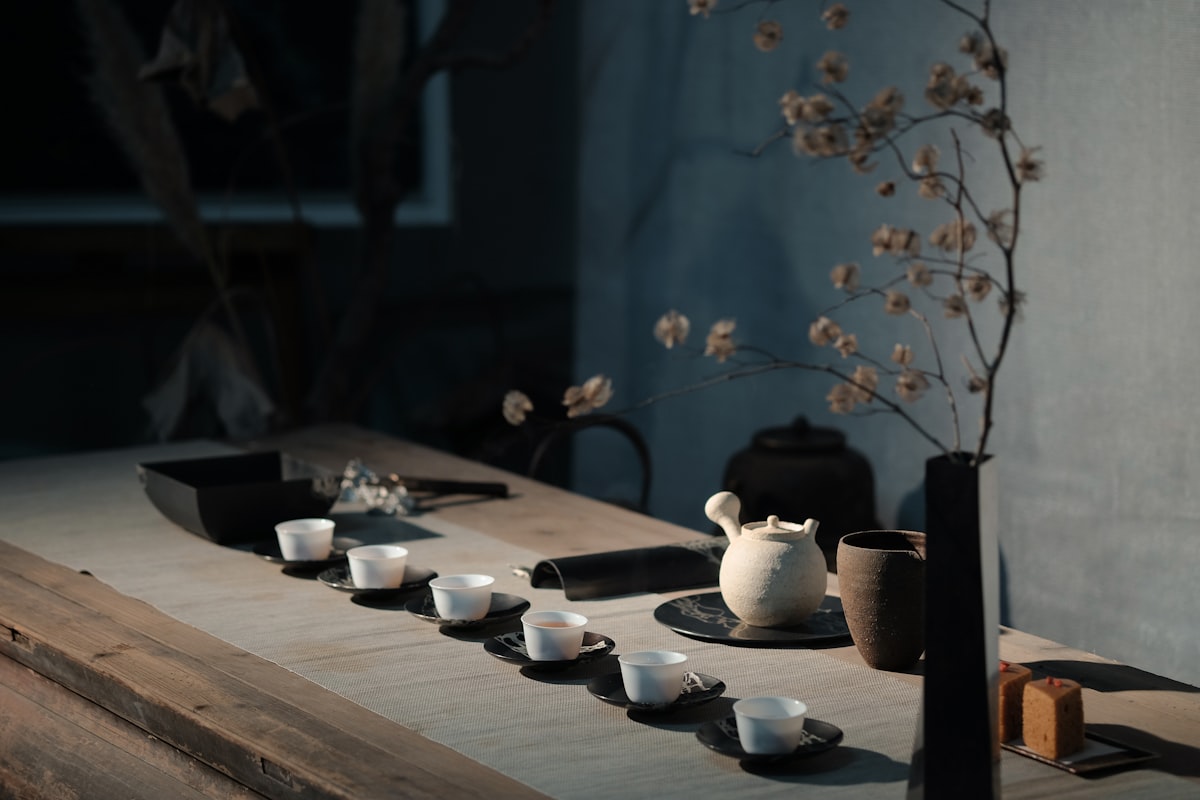
Chinese tea is rarely brewed in large mugs or oversized teapots.
Instead, it often uses smaller, purpose-driven teaware such as:
-
Gaiwans
-
Small clay or porcelain teapots
-
Tasting cups designed to highlight aroma and texture
This isn’t about ceremony for the sake of formality.
Smaller teaware allows for better control, clearer flavor, and a more mindful pace.
Good teaware doesn’t compete with the tea — it quietly supports it.
6. Tea as a Daily Ritual, Not a Special Occasion
Perhaps the biggest difference is how Chinese tea fits into everyday life.
Chinese tea culture doesn’t reserve tea for special moments.
It’s enjoyed:
-
At home or at work
-
Alone or with friends
-
Casually or with intention
You don’t need expert knowledge to enjoy Chinese tea.
You only need curiosity and a willingness to slow down.
A Quiet Philosophy in Every Cup
Chinese tea isn’t louder, stronger, or more dramatic than other teas.
Its beauty lies in subtlety.
It invites you to notice small differences — in aroma, texture, and aftertaste. Over time, those small differences become deeply rewarding.
At Verdant Pavilion, we see tea not as a trend, but as a quiet companion — something that grows with you the more you drink it.
If you’re curious about Chinese tea, you don’t need to know everything.
You just need one good leaf, some hot water, and a little time.